



The term slot gacor has become widely used in online gambling communities to describe slot games that are believed to be “hot” or more likely to pay out. Many players search for patterns, timing tricks, or “lucky windows” in hopes of increasing their wins. But behind all of this is a system designed to be completely random.
This article takes a research-based look at how slot machines actually work, what RNG means, and whether the idea of a consistent winning pattern in slot gacor is real or just a myth.
What Does “Slot Gacor” Mean?
In informal online communities, slot gacor refers to slot games that are perceived to be frequently giving wins or bonuses. The word “gacor” itself is slang meaning “active” or “loud,” and in gambling context it suggests a machine that is “paying out well.”
However, this perception is usually based on short-term results, luck streaks, or selective memory rather than any verified system or pattern inside the game.
Understanding RNG (Random Number Generator)
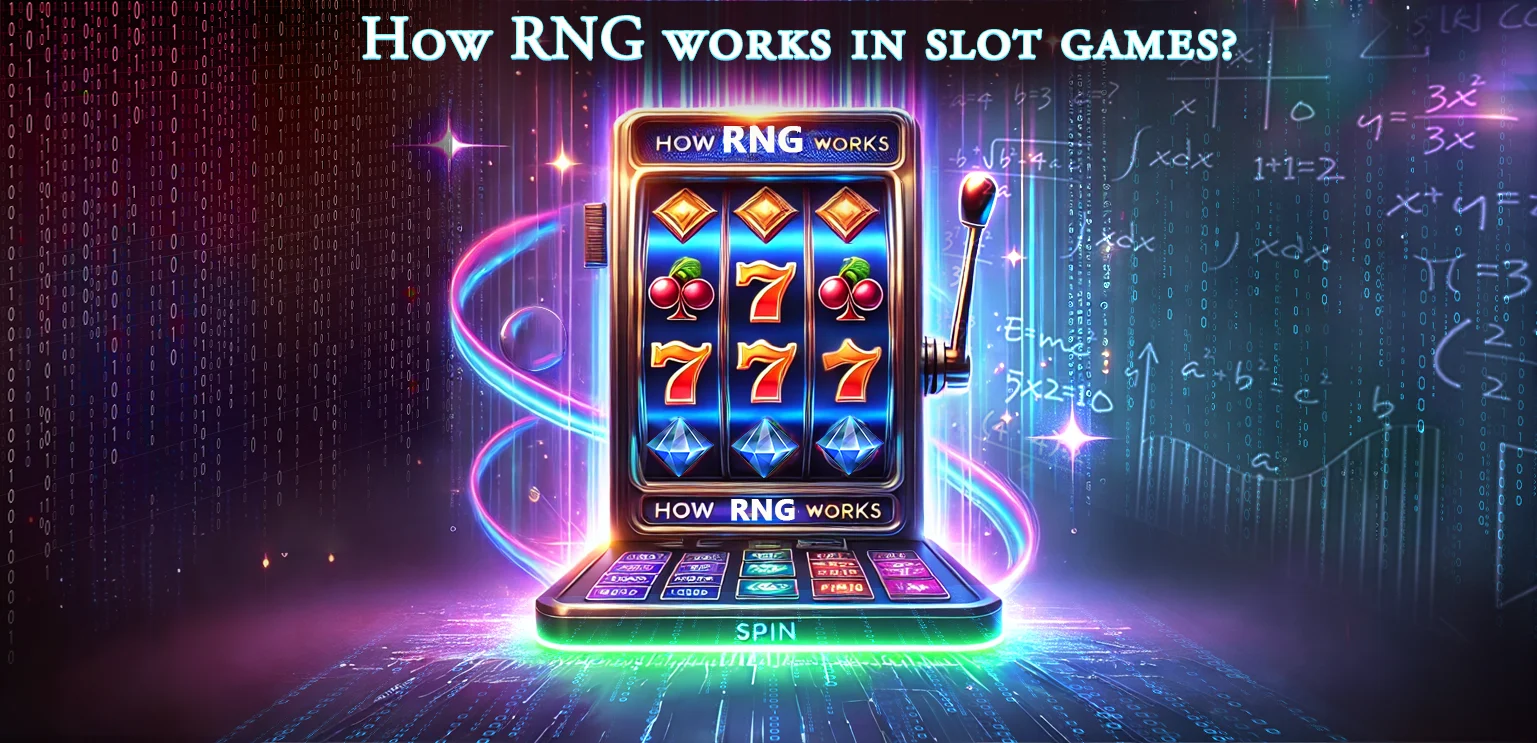
At the core of every modern slot game is a system called the Random Number Generator (RNG).
The RNG continuously produces thousands of random number sequences per second, even when no one is playing. When a player presses the spin button, the system selects the most recent number and converts it into a visual result on the reels.
P(A)=1NP(A)=\frac{1}{N}
This means each spin is statistically independent. The outcome of one spin does not influence the next one, regardless of previous wins or losses.
Is There Really a Winning Pattern in Slot Gacor?
One of the biggest misconceptions is the idea that slot gacor machines follow patterns such as:
- Certain hours being more profitable
- Machines “warming up” before payouts
- Losing streaks meaning a win is “due”
- Bet size influencing upcoming results
In reality, none of these factors affect RNG outcomes. Each spin is isolated, meaning the system does not “remember” past results. Any perceived pattern is usually coincidence or cognitive bias.
Why Players Believe in Patterns
Even though outcomes are random, players often believe in patterns due to psychological effects:
1. The Gambler’s Fallacy
People assume that after several losses, a win becomes more likely. In reality, probability remains unchanged.
2. Confirmation Bias
Players remember big wins more than losses, reinforcing the belief that a slot gacor pattern exists.
3. Short-Term Variance
Random systems naturally produce streaks. A series of wins or losses does not indicate a hidden pattern—just probability at work.
RTP vs RNG: Common Confusion
Another important concept is RTP (Return to Player). RTP is often misunderstood as a guarantee of winnings, but it simply represents long-term statistical averages.
For example, a 96% RTP means that over millions of spins, the game returns 96% of wagered money—not that a player will receive that percentage in a single session.
RNG determines how results happen, while RTP describes long-term distribution.
Can You Predict Slot Gacor Moments?
The short answer is no. Because RNG systems are designed to be unpredictable and independently generated, there is no reliable method to forecast outcomes.
Any claims of predicting slot gacor moments are not supported by mathematical or technical evidence. Systems used in licensed games are regularly tested for fairness by independent auditors to ensure randomness.
The Reality Behind Winning in Slots
Winning in slot games is not about identifying patterns, but about understanding probability and chance. Each spin is a separate event with no memory of previous results.
While luck can create short-term wins, long-term outcomes always align with the built-in mathematical structure of the game.
Conclusion
The idea of slot gacor is largely built on perception, coincidence, and psychological bias rather than real predictive patterns. RNG technology ensures that every spin is random and independent, making it impossible to consistently identify or exploit winning sequences.