




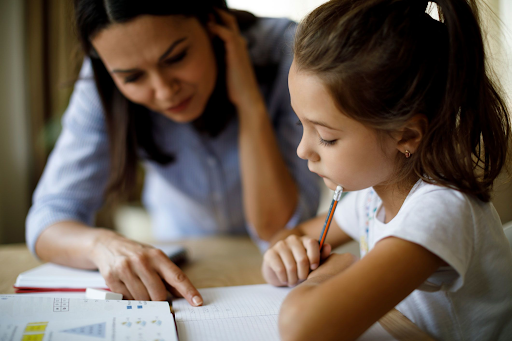
Teaching children can be both exciting and challenging. Every child learns differently, so parents need patience, creativity, and guidance. When you understand your child’s needs, you can help them develop skills, confidence, and curiosity.
The way you teach at home can strongly affect how your child grows and learns in school and in life. By using simple methods and encouraging learning in fun ways, you can make education an enjoyable experience for your children.
1. Encourage Learning Through Play
One of the most effective ways to teach young children is learning through play. When kids play, they explore, experiment, and solve problems without feeling pressured. Simple games with blocks, puzzles, or pretend play help them develop critical thinking and social skills.
By joining in their play, parents can guide learning naturally while keeping it fun. Children remember lessons better when they enjoy the process, so incorporating learning into daily playtime strengthens both knowledge and creativity.
2. Use Free Learning Games for Kindergarteners
The free learning games for kindergarteners provide excellent opportunities for children to learn without extra costs. These games can help children practice letters, numbers, shapes, and colors in an interactive way. Digital or printable games keep learning interesting and motivate kids to focus on skills while having fun.
Parents can also use these resources to track progress and offer support where needed. Combining these games with other activities ensures that children develop a well-rounded understanding of basic concepts.
3. Read Together Every Day
Reading together every day builds strong language skills and sparks imagination. When parents read with their children, they improve vocabulary, listening skills, and comprehension. Asking questions about the story encourages children to think critically and express their ideas.
Reading also creates a bonding moment that makes learning more enjoyable. Starting with short and simple books and gradually moving to longer stories helps children develop a love for reading that lasts a lifetime.
4. Be Patient and Positive
Patience and positivity are essential when teaching children. They may struggle with new concepts or make mistakes, but parents’ calm guidance encourages learning instead of fear. Celebrating small achievements motivates children to try harder and gain confidence.
Using kind words, gentle corrections, and encouragement creates a safe learning environment. Children are more likely to explore, ask questions, and stay engaged when they feel supported and understood by their parents.
5. Create a Routine and Learning Space
Having a consistent routine and a dedicated learning space helps children focus and understand expectations. A simple schedule for reading, play, and study teaches time management and discipline. A quiet, well-lit area with books, art supplies, and learning tools makes learning more organized and enjoyable.
Children feel more responsible and independent when they know what to expect and have a space where they can concentrate. Combining structure with flexibility allows children to learn effectively while still having fun.
Conclusion
Teaching your children is a rewarding journey that requires patience, creativity, and care. By encouraging learning through play, using free learning games for kindergarteners, reading together, staying positive, and creating a routine, parents can support their children’s growth in meaningful ways.
Every small effort you make builds your child’s knowledge, confidence, and love for learning. With the right approach, education becomes not just a task but an enjoyable adventure that strengthens your bond with your child.
